



Private Physiotherapy UK (2025): Costs, Wait Times & What to Expect
Short answer: Private physiotherapy in the UK is typically available within days and costs are usually charged per session. Prices vary by clinic, location and practitioner seniority, but you can expect transparent upfront costs, clear treatment goals and flexible booking—often evenings or weekends. This guide explains how private physio works, typical UK prices, wait times, insurance options and how to pick the right clinic.
💡 Compare Health Insurance (incl. physio cover) →
Why choose private physiotherapy?
- Faster access: many clinics offer same-week assessments—useful if you’re in pain or returning to sport.
- Longer appointments: common 30–45 minute sessions with hands-on treatment and guided rehab.
- Continuity: see the same physio each visit; personalised home exercise plans.
- Convenience: early/late/weekend slots, onsite gyms, or video sessions for follow-ups.
Curious how private care compares with NHS pathways? Read our companion guide: Private Physio vs NHS – Which Is Faster in the UK?
How private physio works
- Self-referral: you can book directly—no GP referral required (unless your insurer asks for one).
- Initial assessment: posture, range of motion, strength, special tests; a working diagnosis and plan.
- Treatment: manual therapy, exercise therapy, taping, soft-tissue work, education/activity modification.
- Rehab plan: tailored home exercises with progressions; re-tests to track outcomes.
Private physiotherapy costs in 2025
Clinics generally publish clear per-session prices. Costs vary with region (London vs. rest of UK), session length, and clinician seniority (junior, senior, specialist/consultant). Many offer discounted bundles or packages if you pre-pay for a course of treatment.
| Appointment Type | Typical Duration | Indicative UK Price Range | Notes |
|---|---|---|---|
| Initial assessment | 45–60 minutes | Often higher than follow-ups (clinician dependent) | Includes history, assessment, diagnosis & first treatment |
| Follow-up session | 30–45 minutes | Varies by location/seniority | Progress review + treatment + exercise progressions |
| Package/bundle | Block of 4–6 sessions | Discount vs. pay-as-you-go | Good if your condition typically needs multiple visits |
| Virtual follow-up | 20–30 minutes | Usually less than in-person | Useful for exercise review or minor tweaks |
Tip: Ask whether initial consult + treatment are bundled, and if there’s a reduced rate for block bookings or off-peak times.
How many sessions will I need?
It depends on your condition and goals. Many musculoskeletal issues (e.g., minor sprains, uncomplicated low back pain) respond well to 3–6 sessions plus a consistent home programme. Post-operative rehab or complex sports injuries may need a longer plan. A good clinic will set clear milestones (pain/function/strength targets) and review progress each visit.
Wait times: private vs NHS
Private clinics often offer same-week assessments and flexible follow-ups. NHS community MSK services can be excellent but may involve triage steps and longer waits depending on local capacity. If rapid access is your priority, private physio is a practical route—see our comparison guide: Private Physio vs NHS – Which Is Faster?
Do I need scans before physio?
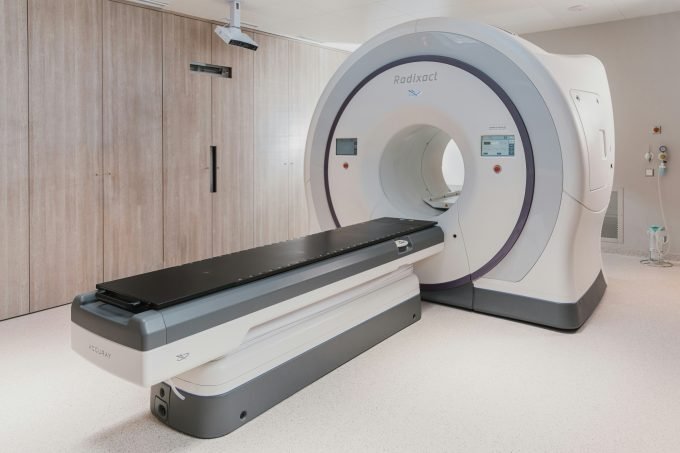
Not usually. Most common MSK problems can be assessed clinically. If imaging is indicated (e.g., suspected fracture, significant tendon tear, red-flag symptoms), your physio or GP may recommend a scan and refer you appropriately. For context on imaging routes, see:
Will health insurance cover private physio?
Many UK private medical insurance (PMI) policies include physiotherapy—either within outpatient benefits or as an add-on. Policies may require:
- Pre-authorisation (get a code before your first session)
- GP referral or triage via a digital GP service
- Session caps (e.g., a set number per condition/year) or cash limits
Compare providers here: Best Health Insurance UK (2025 Comparison & Reviews) and see our explainer on whether insurance is worth it.
What a typical private physio plan includes
- Manual therapy & symptom relief: hands-on techniques, joint mobilisation, soft-tissue work.
- Exercise therapy: progressive strengthening, mobility, motor control; clinic + home programme.
- Education: pain science, load management, pacing, sleep & return-to-sport guidance.
- Adjuncts as needed: taping, bracing, shockwave therapy (clinic-dependent), acupuncture/dry needling.
How to choose a clinic (checklist)
- Qualifications: HCPC-registered physiotherapists; relevant sport/MSK post-grad training.
- Experience fit: runner’s knee? shoulder instability? post-op ACL? Pick a clinic with that caseload.
- Transparent pricing: clear session lengths, package options, cancellation policy.
- Facilities: onsite gym/rehab space; equipment for your sport/goal.
- Access: early/late/weekend availability; parking or transport links; virtual options if needed.
Booking & preparation tips
- Wear comfortable clothing that allows the therapist to assess the area (e.g., shorts for knee/hip).
- Bring any relevant scan or clinic letters; list medications and previous injuries.
- Ask for your written plan: goals, expected session count, and home exercises.
- Schedule your next 2–3 sessions in advance to stay on track.
Related guides
- Private Physio vs NHS – Which Is Faster in the UK?
- Health Insurance with GP Access UK – Best Providers
- Private Healthcare Monthly Cost UK (2025)
- Is Private Health Insurance Worth It in the UK?
Get Your Free Health Insurance Quote
FAQs
Do I need a GP referral for private physio?
No—most clinics accept self-referrals. If you’re using insurance, check whether your policy requires a GP or digital-GP referral first.
How quickly can I be seen?
Many private clinics offer assessments within days, with follow-ups booked to suit your schedule.
How many physio sessions will I need?
Simple sprains/strains may settle in 3–6 sessions; post-operative rehab or complex injuries take longer. Your physio should outline goals and a plan at your first visit.
Will I get hands-on treatment or just exercises?
Usually both: manual therapy for symptom relief plus a progressive home exercise programme to address the root cause.
Is private physio covered by health insurance?
Often yes, subject to authorisation, session limits or excess. Review your policy and pre-authorise before booking.
Disclosure: Information last checked 16 August 2025. Clinics and insurers may change pricing and eligibility—confirm details before purchase.








Leave a comment