



Private Gastroscopy UK (2025):
Need an upper GI endoscopy (gastroscopy) quickly? This guide explains what it checks, how to prepare, sedation options, risks, results, and the fastest ways to book privately in the UK. We also show cost drivers and when insurance will cover it.
See endoscopy costs Check insurance cover
On this page
- What is a gastroscopy?
- Who might need one?
- Costs & what affects the price
- Does health insurance cover gastroscopy?
- Preparation & sedation options
- What happens on the day
- Risks & recovery
- How to book privately (fast)
- Related tests & alternatives
- FAQs
What is a gastroscopy?
A gastroscopy (upper GI endoscopy) uses a thin flexible camera to examine the oesophagus, stomach and first part of the small intestine. A consultant can also take biopsies during the test.
What it can help diagnose
- Persistent heartburn or reflux
- Difficulty swallowing
- Unexplained anaemia
- Upper abdominal pain, nausea or vomiting
- Coeliac disease (via biopsy), gastritis, ulcers
Why go private?
- Faster access when NHS waits are long — see our NHS referral wait time guide.
- Choice of hospital and consultant — browse the Private Hospitals Hub.
- Flexible appointment times and sedation choices.
Who might need one?
Your GP or specialist may recommend gastroscopy if symptoms suggest conditions affecting the upper digestive tract. Not sure how to get referred?
Learn the referral routes: Do I need a GP referral for private treatment? and how to get a private referral.
Private gastroscopy costs in the UK (2025)
Prices vary by hospital, consultant fees, sedation choice and whether biopsies or additional tests are needed. For up-to-date price ranges and examples, see:
Tip to save: Ask for an all-inclusive fixed price (facility, consultant, anaesthetics, pathology). If you have cover, check the consultant and hospital are approved by your insurer first.
Considering ongoing costs of going private? See monthly private healthcare costs.
Does health insurance cover gastroscopy?
Many UK health insurance policies cover diagnostic investigations when medically necessary and authorised. Coverage depends on your outpatient level, excess and policy limits.
- Read: Does health insurance cover diagnostics?
- Get personalised checks: Compare your cover & options
No insurance? You can still self-pay — see how to access private healthcare without insurance.
Preparation & sedation options
General preparation
- Fasting period (typically several hours) — your hospital will confirm exact timings.
- Medication advice (e.g., blood thinners, diabetes meds) — follow your consultant’s instructions.
- Arrange transport if sedation is planned.
Sedation options
- Local anaesthetic throat spray (you stay fully awake).
- Conscious (light) sedation — you’re relaxed but responsive.
- Occasionally deeper sedation/GA depending on clinical need & provider policy.
What happens on the day
- Admission & consent: checks with nursing staff and your consultant.
- Procedure (usually 10–20 mins): endoscope passed via the mouth to examine the oesophagus, stomach and duodenum. Biopsies may be taken.
- Recovery: brief observation, longer if sedated. You’ll get aftercare advice.
- Results: visual findings may be discussed the same day; biopsy results follow later.
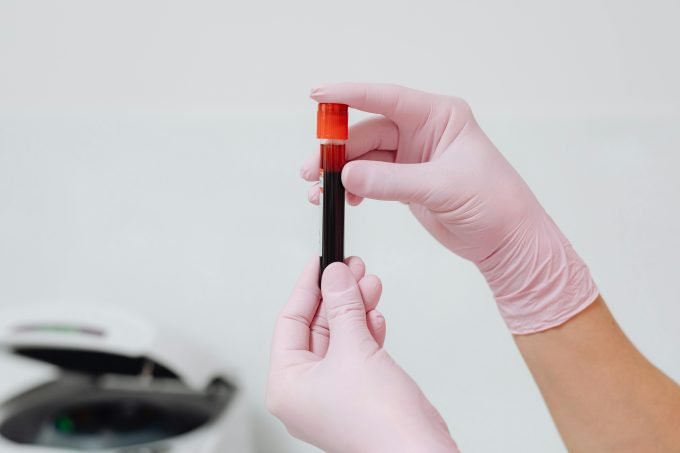
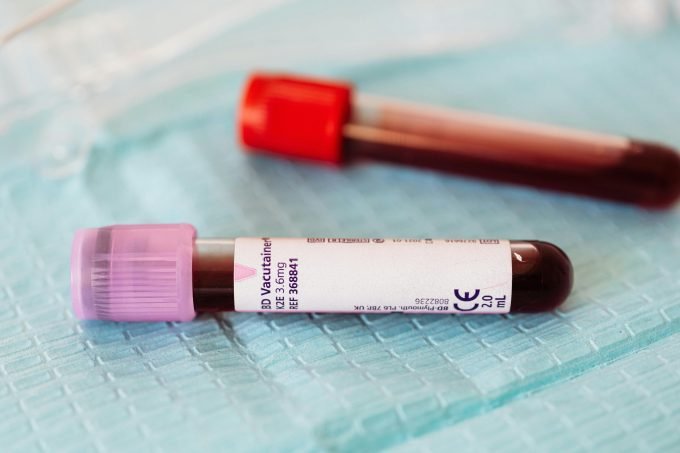
Some pathways include pre-procedure bloods. If needed, you can arrange private blood tests in advance.
Risks & recovery
Gastroscopy is a common, generally safe procedure. Possible risks include discomfort, sore throat, bleeding after biopsy and (rarely) perforation or complications from sedation. Your consent form will list risks and who to contact if you feel unwell after discharge.
How to book privately (fast)
Self-pay route
- Choose a hospital from the Private Hospitals Hub.
- Ask for fixed price for gastroscopy with/without biopsy including pathology.
- Bring GP referral if requested (see how to get a private referral).
Insurance route
- Get a pre-authorisation code from your insurer.
- Confirm your consultant & hospital are in-network.
- Know your excess and outpatient limits.
If NHS waits are long, see practical tips in our NHS referral wait time guide.
Related tests & alternatives
- Colonoscopy — evaluates the large bowel (lower GI).
- Upper GI endoscopy (pricing overview).
Your specialist will advise if a different or additional test is more appropriate for your symptoms.
Private Gastroscopy FAQs (2025)
Do I need a referral to book privately?
Many providers ask for a GP/specialist referral. If you don’t have one, read: Do I need a GP referral? and how to get a private referral.
How long will I be at the hospital?
The procedure itself is usually short, but allow extra time for admission, recovery and going through results—especially if you have sedation.
Can I drive after a sedated gastroscopy?
No. Arrange an escort and avoid important decisions, alcohol and operating machinery for 24 hours (provider policies vary).
What if I’m waiting on the NHS?
You can remain on the NHS list and go private for faster access. Learn how this works: NHS referral wait time.
Is it covered by insurance?
Often, if medically necessary and authorised. Check your outpatient level and excess. More here: diagnostics cover.
Compare endoscopy prices Get insurance help
People also read
- Private Endoscopy Cost UK (2025)
- Private Colonoscopy Cost UK (2025)
- Does Health Insurance Cover Diagnostics?
- Diagnostics Hub
Editorial note: Information here is general and not a substitute for medical advice. Providers’ preparation instructions and sedation policies vary — follow the hospital’s guidance for your appointment. Prices and coverage differ by provider and policy; always confirm in writing before booking.
Need a gastroscopy fast? Compare prices or check your insurance cover. See prices Check cover







Leave a comment