


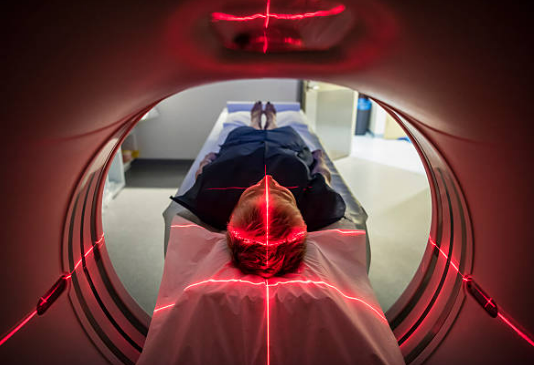
Short answer: A private DEXA (DXA) scan is a quick, low-dose X-ray that measures bone mineral density (BMD) to assess your risk of osteoporosis and fractures. Appointments are typically available within days, with results reported as T-scores and Z-scores you can use to plan next steps with your GP or specialist.
Compare Prices & Insurance Options →
What is a DEXA scan?
DEXA (dual-energy X-ray absorptiometry) is the most widely used test for diagnosing low bone density. It usually measures BMD at the hip and spine, where fracture risk matters most. The scan is painless, you remain clothed, and radiation exposure is very low.
Who might need a DEXA scan?
- Women after the menopause, or men over 50 with risk factors
- Anyone with a previous low-impact (fragility) fracture
- Long-term use of steroids (e.g., prednisolone)
- Inflammatory or endocrine conditions linked to bone loss
- Strong family history of osteoporosis or very low body weight
- Planning, monitoring or reviewing treatment for osteoporosis
How a private DEXA appointment works
- Book directly: most imaging centres accept self-referral for DEXA. If you’ll claim on insurance, check authorisation/referral rules first.
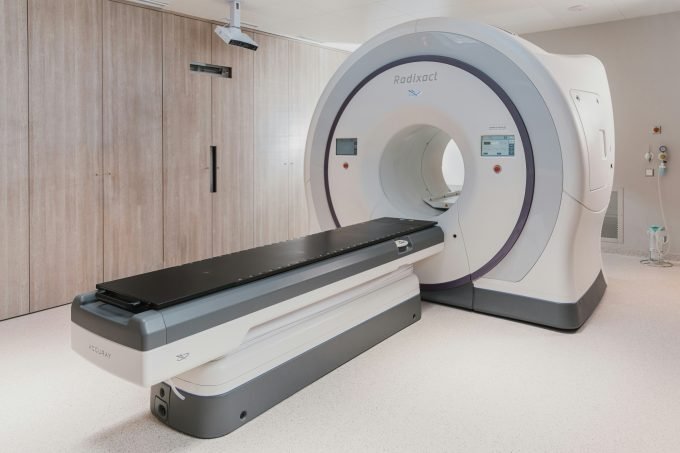
- Scan: you lie on the scanning table while the arm passes over your hip/spine. Typical time in department: 20–30 minutes.
- Report: a radiographer/clinician acquires images; a trained reporter issues your BMD values and T/Z-scores with interpretation.
- Next steps: share results with your GP or specialist to decide on lifestyle measures and any treatment.
Understanding your results (T-score & Z-score)
Your report will include:
- T-score — compares your BMD with a healthy young adult reference.
- Z-score — compares your BMD with people your own age/sex.
| T-score range | Interpretation (general) | What this means |
|---|---|---|
| ≥ −1.0 | Normal bone density | Routine bone-health habits; re-scan only if advised |
| Between −1.0 and −2.5 | Osteopenia (low bone mass) | Discuss risk factors and prevention with clinician |
| ≤ −2.5 | Osteoporosis | Your clinician may suggest treatment and follow-up |
Note: The final assessment is clinical. Your doctor will consider medical history, medications, and overall fracture risk tools in addition to the scan.
Private DEXA scan costs (what to expect)
Prices vary by provider, region and whether a separate consultation is included. Always request a written quote and check what’s in scope (scan, report, any follow-up call).
| Service | What’s included | Notes |
|---|---|---|
| DEXA scan (hip/spine) | Acquisition + radiology/clinician report with T/Z-scores | Some centres offer same-day results |
| Consultation (optional) | Discussion of risk factors and management plan | May be with a GP, endocrinologist or rheumatologist |
| Follow-up scan | Repeat DEXA to monitor change | Intervals are typically years; clinician-led |
Preparation & safety
- Wear comfortable clothing without metal fasteners/zips at the scan area.
- Tell the clinic about recent imaging that used contrast, and if there’s any chance of pregnancy.
- Follow any preparation instructions issued by your provider.
DEXA vs other bone tests
- Quantitative ultrasound (qUS) (e.g., heel scans) can screen risk but is not a substitute for DEXA when a formal diagnosis is needed.
- CT/MRI scans are used for other indications; they’re not routine for BMD assessment.
For imaging comparisons in general, see: MRI vs CT Scan: What’s the Difference?
Booking options (self-pay or insurance)
- Self-pay: book directly with an imaging centre; many offer online booking.
- Private medical insurance (PMI): check pre-authorisation, outpatient limits and any referral requirements. Start here: Is Private Health Insurance Worth It?
- If you’re building a wider check-up, consider Private Health Screening Packages.
When to re-scan
Re-scan intervals depend on your baseline result and clinical situation. Many people repeat DEXA every few years, or after starting/changing treatment. Your clinician will advise what’s appropriate for you.
Related guides
- Private Health Screening Packages UK (2025)
- Private GP Appointment UK – How It Works & Costs
- Private Blood Tests in the UK
- Health Insurance with Pre-Existing Conditions (2025)
FAQs
Do I need a GP referral for a private DEXA?
Many centres accept self-referrals. If you plan to claim on insurance, your policy may require a GP or digital-GP referral and pre-authorisation.
How long does a DEXA scan take?
The scan itself is usually minutes, with total appointment time around 20–30 minutes including set-up.
Is DEXA safe?
Yes—DEXA uses very low radiation dose. Tell the clinic if there is any chance you could be pregnant.
What’s the difference between T-score and Z-score?
T-score compares your bone density to a healthy young adult; Z-score compares you with peers of your age/sex.
How soon will I get results?
Many providers issue a report within a short timeframe; some offer same-day summaries. Ask your clinic what to expect.
Medical disclaimer: This guide is for information only and is not a substitute for professional medical advice. Always discuss your results with your GP or specialist.
Last updated: 18 August 2025.








Leave a comment