



Private Cardiac MRI UK: Costs, What It Shows & How to Book
If you’ve been told you may need detailed heart imaging, a cardiac MRI (CMR) provides high‑resolution pictures of your heart’s structure and function — without X‑rays. Private centres across the UK offer fast access (often within days), which is especially helpful if NHS waits are long or you need answers quickly.
In a hurry? Many health insurance policies cover cardiac MRI when medically necessary. Compare options in minutes: Compare Health Insurance Quotes
What is a cardiac MRI?
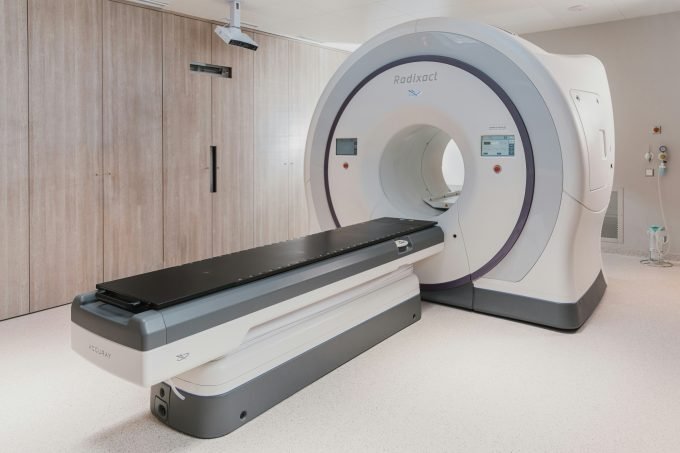
A cardiac MRI uses strong magnets and radio waves to capture detailed images of the heart muscle (myocardium), chambers, valves and major vessels. It can assess function (how well your heart pumps), tissue damage or scarring, inflammation, congenital abnormalities and more. Unlike CT, MRI does not use ionising radiation.
Private cardiac MRI cost UK (2025)
| Scan type | Typical private price | What’s included |
|---|---|---|
| Cardiac MRI (no contrast) | £400–£700 | Consultant protocol, scan, basic report |
| Cardiac MRI with contrast (gadolinium) | £500–£900 | Late gadolinium enhancement for scar/inflammation |
| Stress Cardiac MRI (perfusion) | £800–£1,400 | Pharmacological stress agent + perfusion imaging |
Prices vary by hospital, protocol length, and whether a cardiologist or radiologist provides an extended opinion. Ask if the fee includes the consultant report and any contrast or stress agent.
Cardiac MRI vs other heart tests
| Test | Best for | Pros | Limitations | More info |
|---|---|---|---|---|
| Echocardiogram (ultrasound) | Valve disease, basic function, first‑line assessment | Widely available, cheaper, no radiation | Less detailed tissue characterisation; window dependent | Private Echocardiogram UK |
| CT Coronary (angiography/calcium score) | Coronary artery anatomy & calcification | Excellent coronary detail, quick | Uses X‑rays; limited tissue characterisation | Private CT Scan Cost UK |
| Cardiac MRI | Tissue characterisation, myocarditis/scar, cardiomyopathies, function | No ionising radiation, gold standard for volumes & scar | Longer scan; may need contrast; not ideal with some implants | This page |
What can a cardiac MRI diagnose?
- Cardiomyopathies (dilated, hypertrophic, restrictive)
- Myocarditis and pericarditis (inflammation)
- Ischaemic heart disease (scar after heart attack; perfusion defects on stress CMR)
- Congenital heart disease and aortic pathology
- Infiltrative disease (e.g., amyloidosis) and iron overload
- Right‑ventricular disorders (e.g., ARVC) and pulmonary hypertension assessment
Who might be referred for CMR?
Your GP or cardiologist might recommend CMR if you have:
- Unexplained chest pain, shortness of breath, palpitations or syncope
- Abnormal ECG/echo results needing clarification
- Suspected myocarditis after a viral illness
- Known coronary disease to assess damage or viability
- Family history of cardiomyopathy or sudden cardiac death
How to book a private cardiac MRI (step‑by‑step)
- Consultation: Arrange a private GP or cardiology consult to confirm if CMR is appropriate.
- Choose a centre: Private hospitals with cardiac MRI capability (1.5T/3T) — ask about experience with your indication (e.g., myocarditis vs stress perfusion).
- Referral & authorisation: Clinics often request a referral. If insured, obtain pre‑authorisation first.
- Book & prep: You’ll receive instructions (fasting if stress test, medication adjustments, metal screening questionnaire).
- Scan day: Allow 45–90 minutes. You’ll lie still in the scanner; contrast may be used via a small cannula.
- Results: A consultant report is usually issued within a few days; urgent findings are escalated sooner.
Preparation & what to expect
- Clothing & metal: Remove jewellery; complete MRI safety questionnaire (implants, pacemakers, aneurysm clips, metal fragments).
- Claustrophobia: Tell the team beforehand; many centres offer reassurance, music, or mild sedation if appropriate.
- Contrast: Gadolinium contrast is common for late enhancement. You’ll be asked about kidney function and allergies.
- Stress CMR: If perfusion is planned, you may receive a vasodilator (e.g., adenosine). Some caffeine restrictions apply pre‑scan — follow your centre’s guidance.
Is cardiac MRI safe?
CMR is generally very safe. It avoids ionising radiation. The main considerations are MRI‑unsafe implants, severe claustrophobia, or rare reactions to contrast. Your team will screen for risks and discuss alternatives if MRI isn’t suitable.
Insurance & paying for a cardiac MRI
Many UK private health insurance policies cover cardiac MRI when requested by a specialist as part of an approved claim. Self‑pay is available nationwide if you don’t have cover. If you expect more cardiac tests or procedures, insurance can be more cost‑effective long‑term.
Check Health Insurance That Covers Cardiac MRI Book a Private GP Consultation
Where to have a private cardiac MRI
Major private providers and hospital networks offer CMR in UK cities and regional hubs. When comparing centres, ask about:
- Scanner strength (1.5T vs 3T) and cardiac MRI experience
- Availability of stress perfusion protocols
- Reporting cardiologist/radiologist expertise and turnaround time
- Total price (scan + contrast + report + any admin fees)
Cardiac MRI vs echocardiogram vs CT — which should I choose?
Often these tests are complementary, not either/or:
- Echocardiogram is usually first‑line for valves and overall function.
- CT coronary is best for visualising coronary artery anatomy and calcium.
- Cardiac MRI excels at tissue characterisation (inflammation, scar) and precise chamber volumes, and can assess perfusion under stress.
Your cardiologist will recommend the right sequence based on symptoms and initial findings.
FAQs – Private Cardiac MRI UK
Do I need a referral?
Most centres require a clinician referral (private GP or cardiologist). Some hospitals offer in‑house assessment to issue one if appropriate.
How long does a cardiac MRI take?
Typically 45–90 minutes. Stress perfusion protocols can push total time toward the upper end.
Will I need contrast?
Often yes. Gadolinium contrast helps show scar (late enhancement) or inflammation. It’s not always required for every protocol.
Can I have a cardiac MRI with a pacemaker?
Some devices are MRI‑conditional and can be scanned under strict protocols. Always declare implants; the imaging team will confirm safety.
Is there any downtime after the scan?
Most people resume normal activities straight away. If you had sedation or a stress agent, follow the centre’s advice.
Helpful resources
- NHS overview of MRI scans: NHS – MRI Scan
- British Heart Foundation on cardiac MRI: BHF – Cardiac MRI
Related reading
- Private Echocardiogram UK: Cost & What to Expect
- Private Heart Health Check UK
- Private CT Scan Cost UK (2025)
- Private Healthcare Monthly Cost UK
Compare Policies That Cover Cardiac MRI Speak to a Private GP
Disclaimer: This guide is for information only and does not replace medical advice. Always speak to a qualified clinician about tests and treatment appropriate for you.








Leave a comment