



What Does Bupa Health Insurance Cover in the UK? (2026 Guide)
If you’re researching Bupa health insurance cover, you’re usually trying to answer one thing: “What will Bupa actually pay for — and what won’t it?” This guide explains the typical cover areas (diagnostics, surgery, cancer, mental health), common exclusions, optional upgrades, and how to compare Bupa with other UK insurers without getting trapped by small print.
Considering Bupa?
Compare Bupa against AXA, Aviva, Vitality and WPA in 60 seconds — hospital list and benefits included.
Bupa offers different product levels and add-ons. This guide covers what’s commonly included on UK private medical insurance, but always confirm your specific plan documents and hospital list tier before buying or claiming.
What’s typically included in Bupa health insurance?
Most Bupa PMI plans focus on private hospital treatment for new eligible conditions (conditions that arise after your policy starts and meet underwriting rules). The biggest difference between plans is how generous they are for outpatient care (consultants, diagnostics, physio), and which hospitals you can use.
1) Inpatient & day-patient treatment (the “core” of PMI)
This is where most PMI policies are strongest. If you need an eligible operation or procedure that requires admission (or same-day surgery), policies often cover hospital fees, theatre costs and accommodation for your stay.
Related: Private surgery costs (2026)
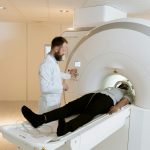
2) Diagnostics (MRI, CT, ultrasound, blood tests)
Diagnostics are commonly covered when they’re part of investigating a new eligible condition. But how much of that cost is paid depends on your plan’s outpatient structure.
- Some plans: include diagnostics within an outpatient limit (e.g., £500/£1,000/unlimited).
- Others: steer you through a specific pathway or network for better value.
Useful: Does health insurance cover diagnostics? · Outpatient limits explained
3) Consultant & specialist appointments
Outpatient consultant fees are typically covered either up to your outpatient limit or under the plan’s outpatient terms. If your outpatient limit is low, you may pay out-of-pocket once you hit it — even if surgery later is covered.
4) Cancer cover (diagnosis, treatment, follow-up)
Many people choose PMI mainly for cancer treatment access and speed. Cover varies by plan, but may include consultations, scans, surgery, chemotherapy, radiotherapy and follow-up monitoring for eligible cases.
Related: Cancer cover in UK PMI
5) Mental health support (limits often apply)
Mental health cover can be included, but it frequently has limits (session caps, outpatient caps, or approved provider pathways). Check the wording on talking therapies, psychiatry and inpatient mental health.
Related: Mental health cover explained
Does Bupa include a private GP?
Bupa policies and member services often include access to digital GP-style services or support routes for appointments, depending on plan and distribution channel. The key practical point is: private GP access is usually a convenience feature — while your main “financial protection” comes from hospital treatment cover.
See: Health insurance that covers private GP · Best private GPs in London (2026)
Optional extras you can add to a Bupa plan
Add-ons can be useful — but only if you’ll use them. The most common “value levers” are:
| Add-on | What it usually changes | Who it suits |
|---|---|---|
| Dental/optical | Helps with routine dental/eye costs (often via cashback limits) | People who want predictable routine spend |
| Higher outpatient limit | More cover for consultant fees + diagnostics | Those prioritising scans and specialist access |
| Enhanced mental health | Higher allowances / improved access routes (plan dependent) | People who want therapy coverage built-in |
| Travel / worldwide options | Varies widely (often a separate product in practice) | Frequent travellers (check policy structure carefully) |
If you mainly want protection against expensive surgery/cancer treatment, you may not need “everything unlimited”. If you mainly want fast scans and specialist access, outpatient limits matter more. Use this to match your plan to your real-world needs: Outpatient limits guide.
What Bupa usually doesn’t cover (common exclusions)
Even “comprehensive” plans have exclusions. The big ones that catch people out are:
- Pre-existing conditions (unless your underwriting method and history allow it). See: Pre-existing conditions (2026).
- Chronic / long-term condition management (e.g., ongoing diabetes management) — PMI is usually for acute treatment.
- Emergency care / A&E (PMI is not a replacement for NHS emergency services).
- Routine maternity (some plans offer limited pregnancy complications; routine maternity is typically excluded).
- Cosmetic treatment (unless medically necessary under strict criteria).
- General “wellness” spend that isn’t medically necessary treatment.
If you already have symptoms or are awaiting tests/referrals, a new policy may treat it as pre-existing. If this is your situation, read: Need a scan/test — insurance first or self-pay?
Hospital access: why Bupa’s hospital list matters (especially London)
When people say “Bupa has great coverage”, they often mean hospital recognition and the strength of the provider network — but your access depends on your chosen hospital list tier.
- If you want top London facilities, check London restrictions and tiering first.
- If you’re outside London, access is often broader and cheaper.
Deep dive: Bupa hospital list explained (2026)
How much does Bupa health insurance cost in 2026?
Pricing depends on your age, location, excess, outpatient cover and hospital list choice. Here are indicative ranges people often see (not quotes):
| Age range | Typical monthly range (indicative) | Main levers to reduce cost |
|---|---|---|
| 25–35 | £35–£60 | Increase excess; choose guided/limited hospital lists |
| 36–50 | £60–£110 | Cap outpatient; remove extras; choose regional hospital list |
| 51–65 | £90–£160+ | Review outpatient needs; consider 6-week NHS option if suitable |
For budgeting: Private healthcare monthly cost (2026) · Medical inflation & renewals (2026)
Bupa vs other insurers: when Bupa wins (and when it doesn’t)
Bupa is strong for brand stability, hospital recognition and established pathways. But depending on your needs, another insurer may be better value.
You want broad recognition, you value strong claims infrastructure, and you’re willing to pay for the comfort of a market leader. If London hospital access matters, make sure you buy the right list tier.
You want aggressive pricing, high outpatient limits, or lifestyle rewards. Start here: Best health insurance UK (2026) and these head-to-heads: Bupa vs Aviva, AXA vs Bupa, Vitality vs Bupa.
Compare Bupa properly (hospital list + benefits)
See if you can get the same hospital access for less — or better outpatient cover for similar money.
FAQs
Does Bupa cover MRI and CT scans?
Often yes, when medically necessary for a new eligible condition and within your outpatient terms. Your outpatient limit and excess can affect what you pay. See: Diagnostics cover explained.
Does Bupa cover private GP appointments?
Some plans and member services include digital GP-style access or support routes, but features vary. For a broader comparison: Health insurance with private GP.
Does Bupa cover pre-existing conditions?
Usually not on a new policy, unless your underwriting method and history allow it. Read: Pre-existing conditions in PMI (2026).
Is Bupa worth it?
If you value faster access and broad hospital recognition, it can be. But value depends on your hospital list tier, outpatient cover and your personal risk tolerance. Start here: Is PMI worth it?.
Disclaimer: Going Private UK is not affiliated with Bupa. This guide is for general information only and does not constitute medical, financial or insurance advice. Policy benefits, exclusions, hospital lists and pricing vary by product and can change. Always check your policy documents and confirm eligibility and pre-authorisation requirements directly with your insurer before booking treatment.











Leave a comment