


How Private Scan Reports Are Reviewed: Who Reads Your MRI, CT or Ultrasound?
When you pay for a private scan, your results are more than just images. They’re carefully analysed by expert doctors called radiologists. In this guide, we explain how your scans are reviewed, who writes your report, and how to understand your results after a private MRI, CT or ultrasound.
💡 Get a Health Insurance Quote Today On this page:
- Who reviews private scan reports?
- How radiologists analyse your scans
- How long private scan results take
- What’s included in your scan report
- How results are shared with you
- FAQs
Who reviews private scan reports?
Private scan reports are written by consultant radiologists — doctors who specialise in interpreting diagnostic imaging such as MRI, CT, ultrasound and X-rays. All radiologists in the UK must be GMC registered and typically have over a decade of postgraduate medical training.
Many radiologists split their time between NHS hospitals and private clinics such as Spire, Nuffield Health or HCA UK.
How radiologists analyse your scans
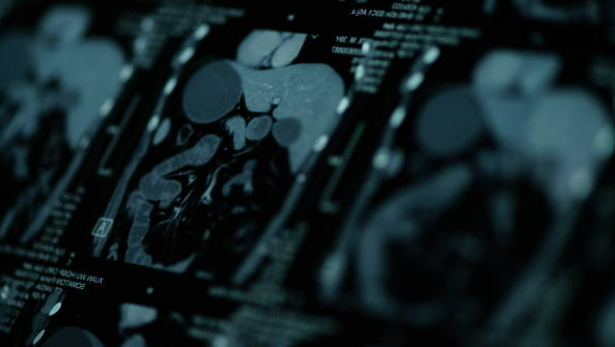
Once your scan is complete, the images are securely uploaded to a digital system called PACS (Picture Archiving and Communication System). A consultant radiologist then reviews each image slice by slice, using specialist software to assess:
- Organ structure and density
- Signs of inflammation, bleeding or tumours
- Blood flow (in contrast scans)
- Changes compared to previous scans
💡 Did you know? MRI and CT scans can produce hundreds of individual images — all reviewed manually and interpreted into a clear summary report.
How long private scan results take
Private centres typically deliver reports much faster than the NHS. Most results are ready within 24–72 hours. Some clinics even offer same-day reporting.
The radiologist sends their report electronically to your referring GP or specialist, who then discusses it with you in a follow-up appointment.
What’s included in a scan report
A private scan report usually includes:
- Patient details and date of scan
- Referring doctor and clinical question
- Technical details (e.g. MRI sequences or CT contrast use)
- Radiologist findings
- Interpretation / impression summary
- Recommendations for follow-up or further imaging
The summary, called an impression, distills the main findings in plain English — for example, “No evidence of acute inflammation or mass lesion.”
📞 Get a Private Health Insurance Quote Today
How results are shared with you
In private healthcare, you can usually access both your written report and scan images directly. Clinics send these via a secure online portal or encrypted email. You can also request a CD or digital file to share with your GP.
Most patients discuss results with their private GP or referring specialist. If clarification is needed, radiologists can provide additional notes or even speak with your doctor directly.
FAQs: Private scan reports
Who reads my private MRI?
A GMC-registered radiologist specialising in imaging your area of concern (for example, musculoskeletal or neurological). Can I request a copy?
Yes. All patients have the right to receive their report and images under UK data protection laws. Do radiologists ever miss things?
Errors are rare but possible. Private centres often double-check complex cases through peer review to reduce risk. What if I don’t understand the report?
Your GP or consultant should explain the findings. You can also book a follow-up consultation for clarification.
💬 Next step: Discuss your results with your GP or specialist to interpret what the findings mean for your health. If you need faster access, explore our Diagnostics Hub for trusted private clinics.
💡 Get a Free Health Insurance Quote Today Book a Private Full Body Scan
Disclaimer: This article is for informational purposes only and does not constitute medical advice. Always consult a qualified healthcare professional or radiologist to interpret your individual results and make treatment decisions. Going Private UK does not provide diagnostic opinions or clinical recommendations.








Leave a comment